
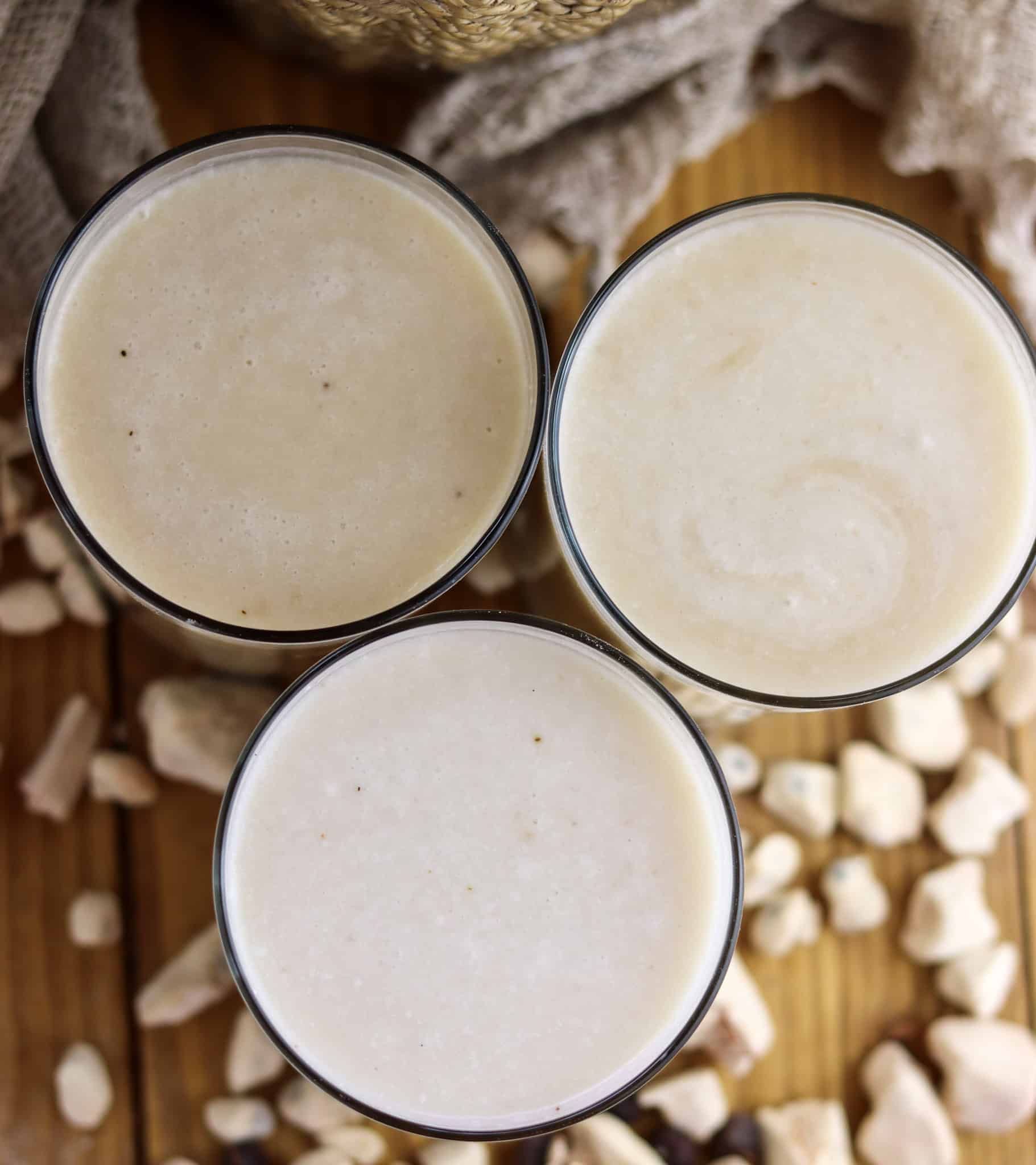
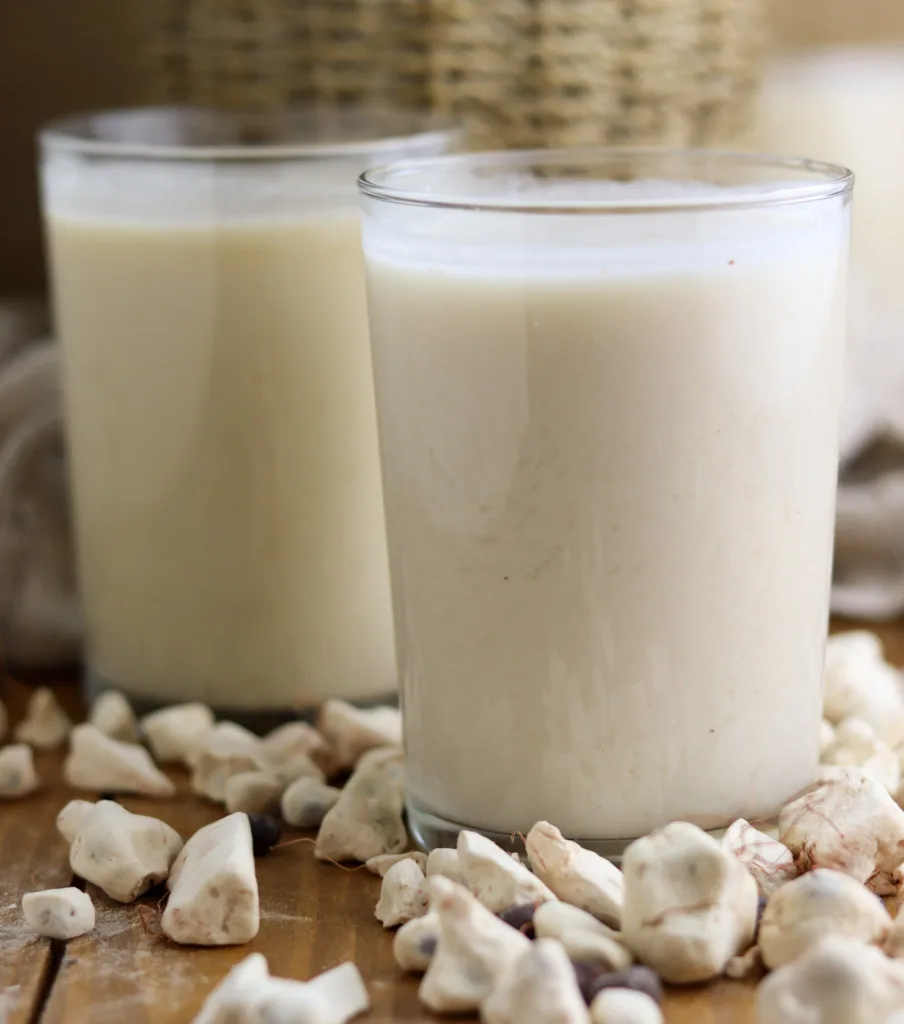
Baobab juice is the absolute winner among healthy and tasty beverages, capable of knocking your socks off in a minute. Not only does it taste incredibly good, but it also offers so many health benefits that it’s almost incomparable to any other drink.
This amazing juice might be one of the oldest beverages on earth. A miraculous drink is made from the fruit pulp of ancient baobabs, whose presence on Earth can be traced to prehistoric times, before the splitting of the continents, more than 200 million years ago.
Yes, baobab juice is probably as old as mankind.
Growing in dry, extremely harsh savannah conditions where few species can survive, this amazing giant is thriving. Being called a tree of life could be an understatement; the baobab is the king of life.
In this post, we are going to explore the amazing origins of baobab juice, its incredible nutritional facts, and mind-blowing health benefits.
And, of course, we’ll show you an easy recipe for how you, too, can make a delicious organic baobab juice at home.

Some people stack their suitcases with clothes when flying home from Africa, and others stuff every empty space with baobab pulp.
Using baobab fruit powder, we made some mouth-watering baobab recipes: a refreshing baobab smoothie, creamy baobab ice cream, delicious baobab bars, citrusy lemon baobab cookies and the tastiest coconut baobab bites. What’s even better: when making baobab juice from the whole fruit pulp, you can use the seeds to make delicious, healthy baobab coffee.
Exploring baobab flavors is a truly enjoyable mission, and we do hope more people will recognize the tree’s extraordinary value.
Mighty baobabs, the timeless giants
The magnificent baobab (Adansonia Digitata) habitat lies in the hot, dry scrublands and savannas. It can be found in many remarkable locations, from the sun-drenched savannas of Senegal to the windswept plains of Madagascar. Native to Africa, Madagascar and Australia, baobabs have been introduced to India and South America as well.
According to legend, it is believed that the majestic baobab trees were personally planted by God. An intriguing tale suggests that when the baobab tree was initially planted, it still had a habit of strolling around. To solve the problem, God decided to replant it with its roots pointing up to the sky.
Baobab is one of the oldest living flowering plants on earth. It can grow from 5 to 30 meters high; its trunk can reach 11 meters or even more. An ancient baobab tree in Zimbabwe is so huge that actually forty people can hide inside. Quite amazing, isn’t it?
These magnificent trees are actually succulents and can store large amounts of water in their trunks. Baobabs can survive up to three years without a drop of water, and a single tree can store up to a jaw-dropping 26,000 gallons (100.000 liters). That’s why baobabs are often called trees of life. They indeed are.
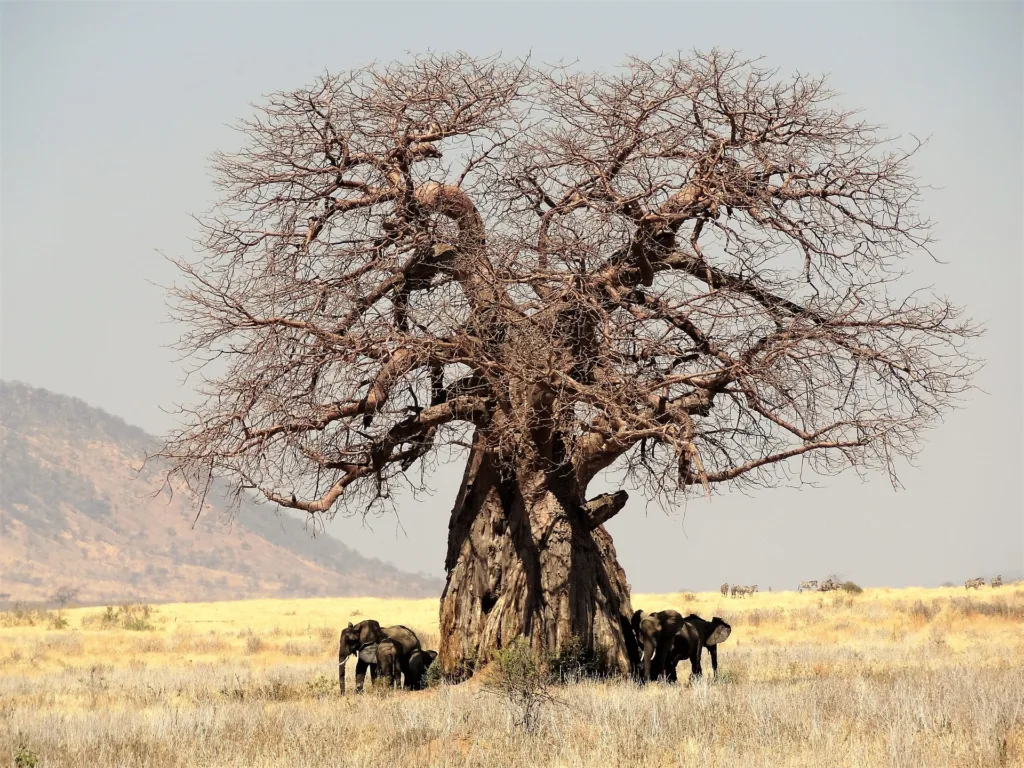
Carbon dating shows that these giants can live up to 3000 years. The oldest baobab is in South Africa and is more than 1840 years old. Despite splitting twice and once collapsing entirely, it still lives.
Interestingly, once these trees really die, they decompose from the inside out and suddenly disintegrate. It’s like they just vanish, leaving behind only a big pile of fibers.
Baobabs are believed to possess mystical powers and are all over Africa, seen as very special and sacred. Sub-Saharan villages were often built around old baobab trees, which are still evident today. Old stories tell of the ancestors’ spirits visiting and living in baobabs. It is said one can feel them in the branches. Rituals are performed under the tree, and simple offerings are given to the spirits, who are often asked for guidance, good fortune, success and long life.
The Adansonia digitata tree, named after the surgeon Michel Adanson, who first described it in 1749 in Senegal, is still very common in sub-Saharan Africa.
But sadly, in the last few years, baobabs have been mysteriously dying across Africa. It’s suspected that the reasons are rising temperatures and inevitable climate change. With that, of course, comes the inevitable loss of biodiversity. Nine of the thirteen oldest known baobabs and five of the six largest baobabs in the world have died in the last 12 years.
Moreover, six of the eight baobab tree types in Madagascar have been listed on the International Union for Conservation of Nature’s Red List because their habitats have been destroyed by overcultivation.
What exactly is baobab juice?
Baobab juice is a beverage made of dry pulp from the inside of the oval-shaped baobab fruit and water.
Shortly before or at the start of the rainy season, baobabs begin to grow leaves, and remarkably, this leaf growth coincides with the formation of flower buds, which unfold in unison. Depending on the area where the baobab grows, its flowers can be pollinated for only 12–18 hours. That’s the job of fruit bats.
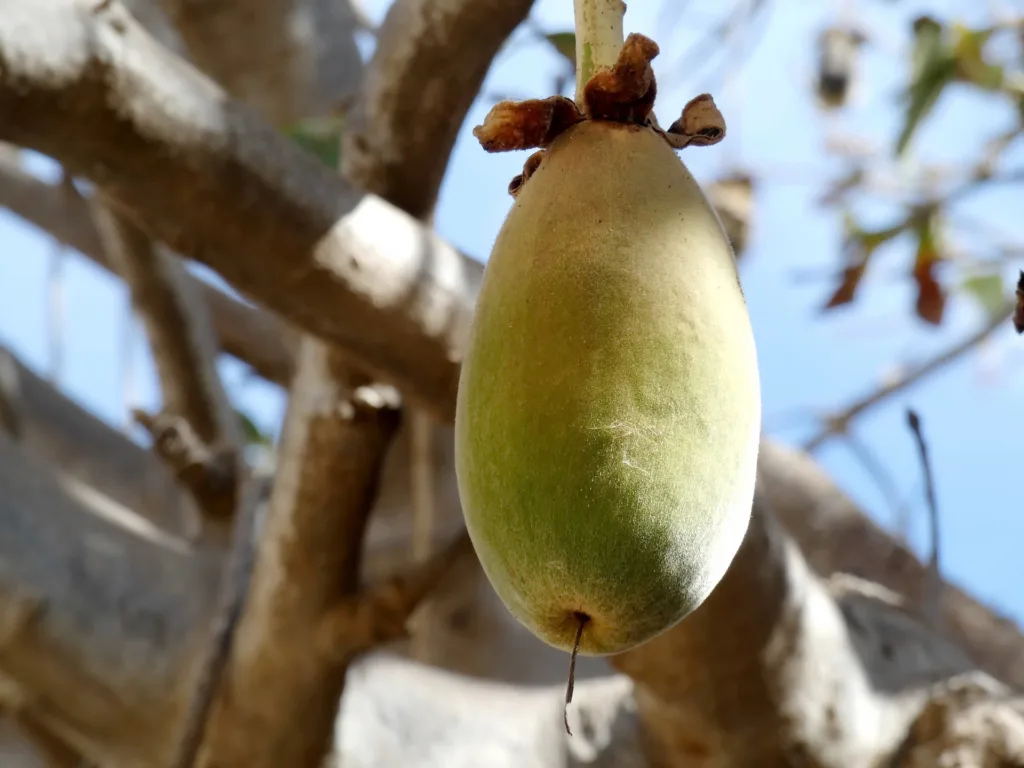
When the heavy rainfalls end, silky flowers begin to fade, and, slowly, large, greenish-brown orbs that hang invitingly from their branches start to grow.
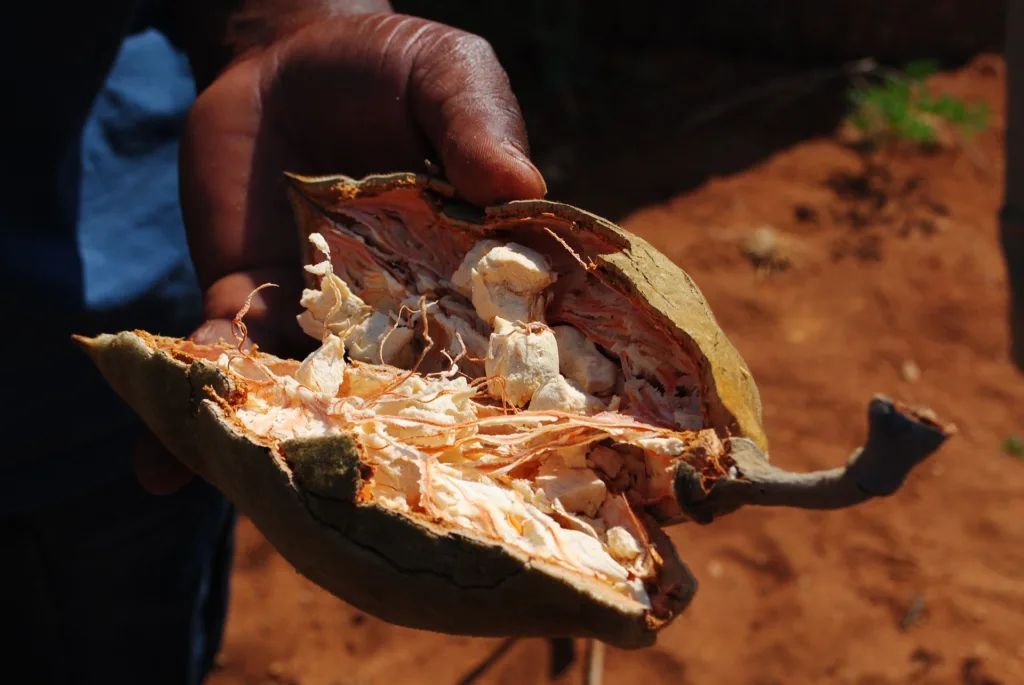
Baobab fruit has a peculiar shape that looks like a velvet oval, and its exterior has a rough, woody texture. As it ripens, it changes from bright green to a rich brown, indicating it’s ready to be harvested.
Inside the leathery exterior, a treasure is hidden — the white flesh of this fruit has a zesty, citrusy taste and is teeming with vitamins and essential nutrients. As the hot summer months give way to the chill of autumn, the baobab tree provides a much-needed source of nutrition for local animals.
Elephants, monkeys, and others take comfort beneath the tree’s branching arms, enjoying the revitalizing white pulp with seeds inside the baobab fruit.
Typically, baobab fruits are matured and naturally dried by the warm winds, hanging like oval balls from giant trees in the following months.
At that time, the hard-shelled fruits are collected, and their white pulp, together with the seeds, is extracted and processed to make baobab juice.
Baobab juice and its incredible nutrition facts
VITAMINS AND MINERALS
Baobab fruit or powder used for making baobab juice has famously spread around the world due to its exceptional nutritional value. Indeed, this magical fruit is not called a superfood for no reason.
Baobab juice is an excellent source of essential vitamins, particularly vitamin C. In fact, it contains significantly higher levels of vitamin C (280–300 mg/100 g) than most other fruits and ten times higher than oranges. Forty grams of baobab pulp will ensure 84 to 100 percent of the recommended daily intake.
Baobab juice is also a tremendous source of vitamin B. The vitamin B family is made up of water-soluble vitamins, and baobab powder contains several of them, including Vitamin B1 (thiamine), Vitamin B2 (riboflavin), Vitamin B3 (niacin), Vitamin B6 (pyridoxine), and Vitamin B9 (folate).
It is also said that baobab contains more iron than a steak. Baobab fruit pulp can provide anywhere between 3 to 6 milligrams of iron per 100 grams, which can be a significant portion of the 8 to 18 milligrams recommended for adults daily.
Does twice as much calcium as in a glass of milk sound like a lot? In about 100 grams of baobab fruit pulp, you can find roughly 300 to 500 milligrams of calcium.
Moreover, baobab powder contains about 4 times as much potassium as a banana. Depending on the site where it grows, from 2,000 to 4,000 milligrams of potassium can be hidden in 100 grams of baobab powder. Pretty impressive, right?
Next, magnesium in baobab powder is about five times higher than in avocados.
And besides all the mentioned, the amazing baobab fruit also contains zinc, sodium, phosphorus and manganese.
PREBIOTIC FIBERS
Baobab is a top-notch source of natural fibers, and surprisingly, it can contain up to 45 percent soluble fiber! What’s even more fantastic is that this fiber is a natural prebiotic. Research indicates that consuming baobab can increase levels of beneficial bacteria in the digestive system, such as Lactobacilli and Bifidobacteria.
POLYPHENOLS
Baobab fruit offers a wealth of polyphenols, particularly flavonoids, which are renowned for their antioxidant capabilities. Examples of flavonoids found in baobab include tiliroside, quercetin and kaempferol. Amazingly, some sources report that baobab juice boasts a high concentration of antioxidants, even more than twice that of goji berries.
Remarkable benefits of baobab juice
BOOSTING YOUR IMMUNE SYSTEM
A rich combination of vitamins, minerals, fibers and antioxidants in baobab juice is like drinking a natural vitamin bomb. Compared with synthetic vitamin and mineral supplements on the market, natural baobab juice is absorbed and utilized much more easily and effectively.
Unlike quick fixes that leave us crashing, the vitamin C in baobab juice provides a gradual and consistent flow of energy. Like a gentle, lasting boost, preventing sudden tiredness spells and helping us stay alert and active throughout the day.
FIGHTING OXIDATIVE STRESS
The high vitamin C content in baobab juice is like giving your body an extra line of defense, helping tremendously in maintaining your health and resisting unwelcome microorganisms. Vitamin C and polyphenols in baobab juice are highly potent antioxidants. Protecting cells from free radicals can slow down the aging process and help you stay in top shape.
OFFERING AN AMAZING SUPPORT FOR YOUR GUT HEALTH
Prebiotic fibers in baobab juice will increase the growth of good bacteria in your gut. Prebiotics are a real treat for them, and in exchange, they help to keep your gut in great condition, ensuring your gut microbiome is balanced and healthy. This has an incredibly positive effect on your immune system and overall health.
FIGHTING INFLAMMATION
By supporting your gut microbiota, polyphenols found in baobab are transformed into powerful metabolites by your gut bacteria. These will work wonders by reducing inflammation inside your gut, which will positively affect the whole body.
REGULATING BLOOD SUGAR
Studies have also shown that baobab fruit powder positively affects glycemic response, helping regulate blood sugar levels and preventing spikes and crashes. It supports a diverse gut microbiome, which is linked to better digestion, improved nutrient absorption, and a stronger immune system.
By promoting a healthy gut microbiome and supporting steady blood sugar levels, baobab becomes a powerful ally in preventing diabetes, metabolic syndrome, digestive issues, and cardiovascular disease.
HELPING TO RETAIN HEALTHY WEIGHT
Baobab juice is a great option for those looking to lose weight. Its exceptionally high fiber content has been found to help you feel fuller and more satisfied for longer. Additionally, research has shown that baobab extract and powder can help promote satiety.
And guess what? Baobab prebiotic fibers seem to be like superheroes for our gut health. They’ve been shown to help efficiently absorb intestinal fat, ensuring we get the most out of our food.
Our gut is like a bustling city of bacteria, with good and not-so-good residents. When there’s an imbalance, such as an overgrowth of harmful bacteria, it can contribute to obesity. And here’s where the baobab juice comes to the rescue.
PROMOTING COLLAGEN
The combination of antioxidants, along with the high vitamin C content in baobab juice, enhances collagen production. This protein bolsters blood circulation to the skin, increases elasticity, and helps to keep the skin looking young. Additionally, collagen is a vital protein for the body’s structural strength.
Baobab juice, when combined with coconut milk, will be additionally enhanced with medium-chain fatty acids, particularly lauric acid. These are known for their potential antimicrobial and antiviral properties, which may support immune function and help combat certain pathogens.

The perfect blend of ingredients in baobab juice
While many Africans prefer baobab juice with condensed milk and added artificial flavors, we fell in love with a more natural variation: baobab juice combined with organic coconut milk.
Baobab is such a precious gift of nature that it sometimes feels like a crime to mix it with artificial aromas.
What we used in this recipe and what we find to be the best combination for organic juice are dry baobab pulp, coconut milk, sugar or a sweetener, and, additionally, a small banana for flavor.
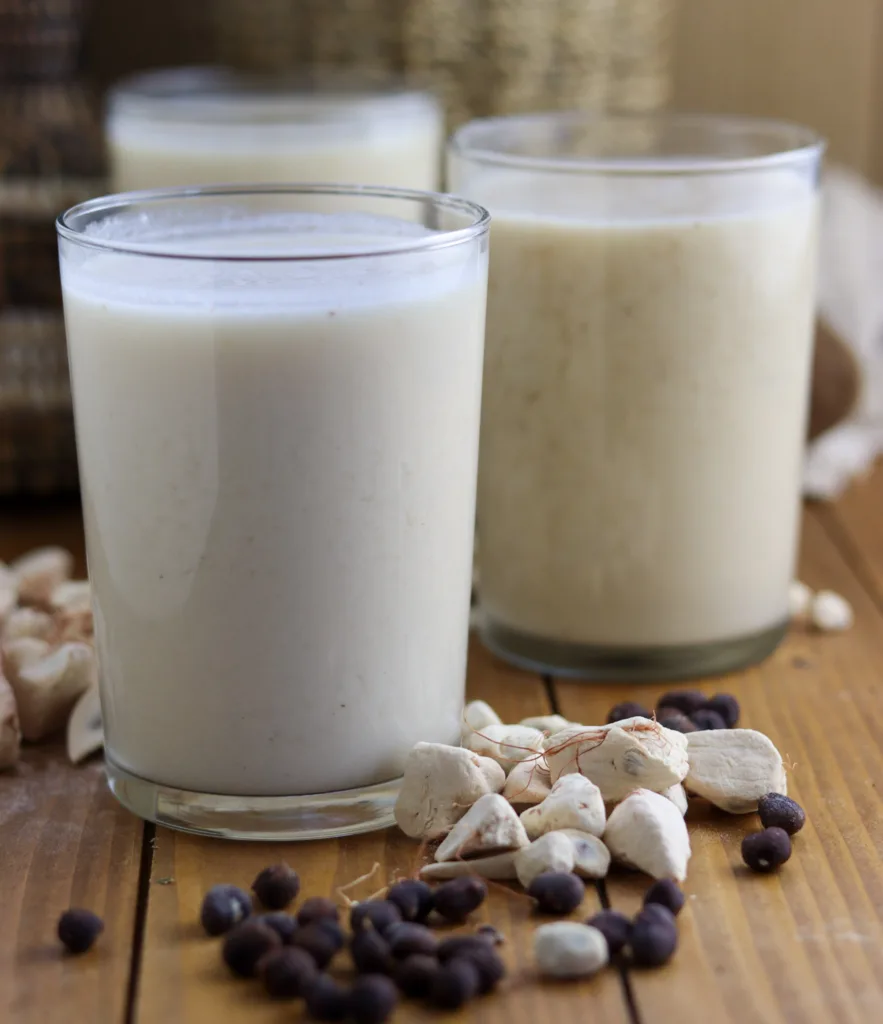
DRY BAOBAB PULP – The pulp used in this recipe came from a West African baobab and was bought on the street market. Organic baobab pulp usually comes with seeds and string-like seed fibers, which need to be removed before making the juice.
Baobab juice can also be made from fruit powder, in which the seeds and fibers have already been removed, and the pulp has been processed into the powder.
COCONUT MILK – When you add a cup of coconut milk to baobab juice, it gives the drink a creamy, rich texture and a subtle coconut flavor. It blends incredibly well with the tangy flavor of baobab juice, creating a pleasing balance of sweet and sour. And, of course, this way, you get even more nutrients with many health benefits.
Your baobab pulp is almost certainly wild-grown and 100% organic; that’s why we recommend spending a dime or two more and buying organic coconut milk as well.
This recipe uses organic canned coconut milk. When using carton coconut milk instead, it’s essential to be aware of the differences in taste and texture.
Carton coconut milk tends to be thinner and lower in fat, which means your end result may not be as creamy and thick as when using canned coconut milk.
SUGAR (optional) – The choice to add sugar to baobab juice is yours. It has a distinctively tangy, citrusy flavor that many people find quite enjoyable and refreshing on its own. Some may not need or want any extra sweetness to enjoy the taste.
However, in this recipe, erythritol was used as a sugar substitute. Other replacements that taste and blend well with this juice include coconut sugar and honey.
A BANANA (optional) – Instead of mixing in vanilla flavor, try blending a banana! You will be surprised how good this combination tastes.
How to make baobab juice
STEP 1: In a bowl, soak the baobab pulp in water. Stir a few times to ensure all pulp pieces are covered with water.
Set aside and let nature do its job. Depending on the temperature, it will take about 2 hours for the baobab pulp to soften and begin dissolving in water.
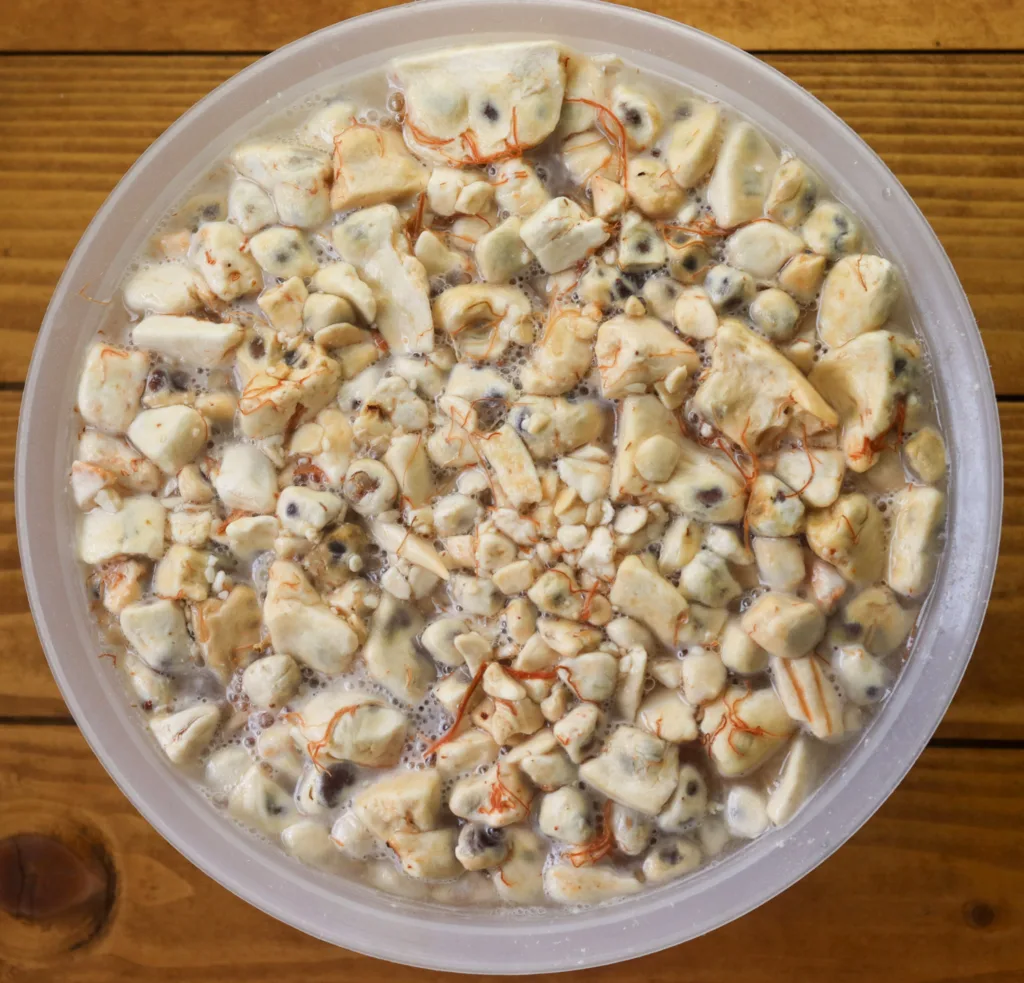
Sometimes the water will be a bit orange or reddish. That might happen if there are a lot of seed strings left inside, and it’s not something to worry about.
STEP 2: Once the pulp has sufficiently softened, it is advisable to wash your hands and squeeze it. This will help separate the pulp from the remaining seeds and seed fibers.
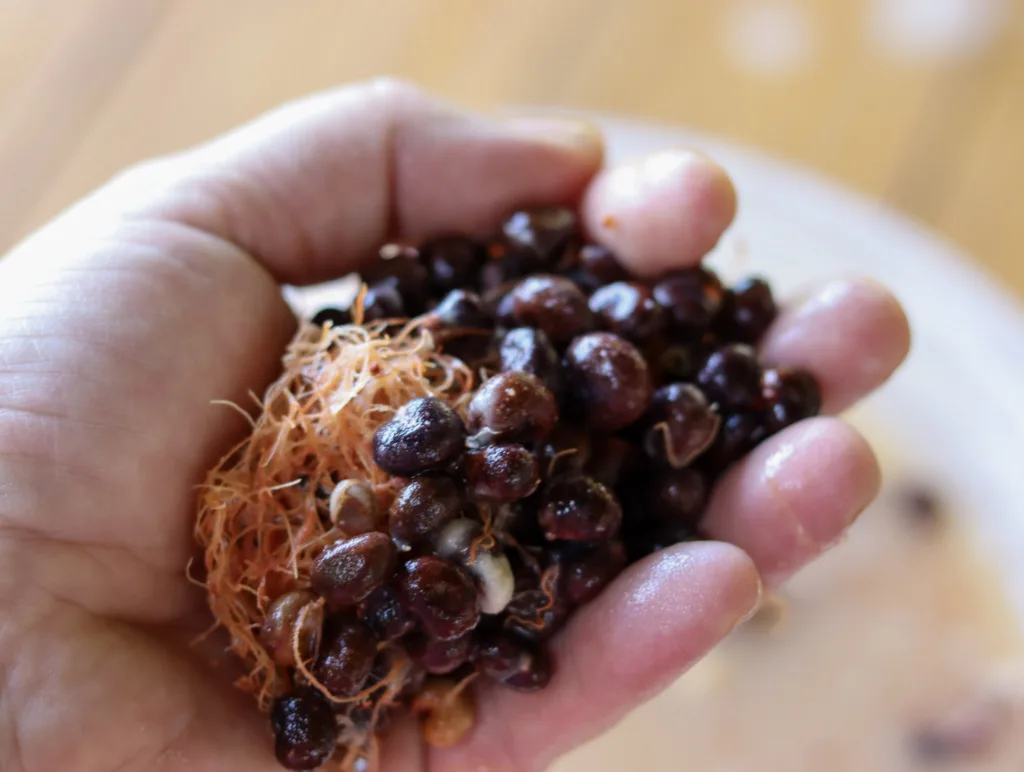
After that, repeat the process using a strainer or a clean kitchen towel to strain the juice, removing the seeds and any remaining pulp. Don’t toss the seeds – a much better idea is to dry them in the sun and roast them to make baobab coffee.
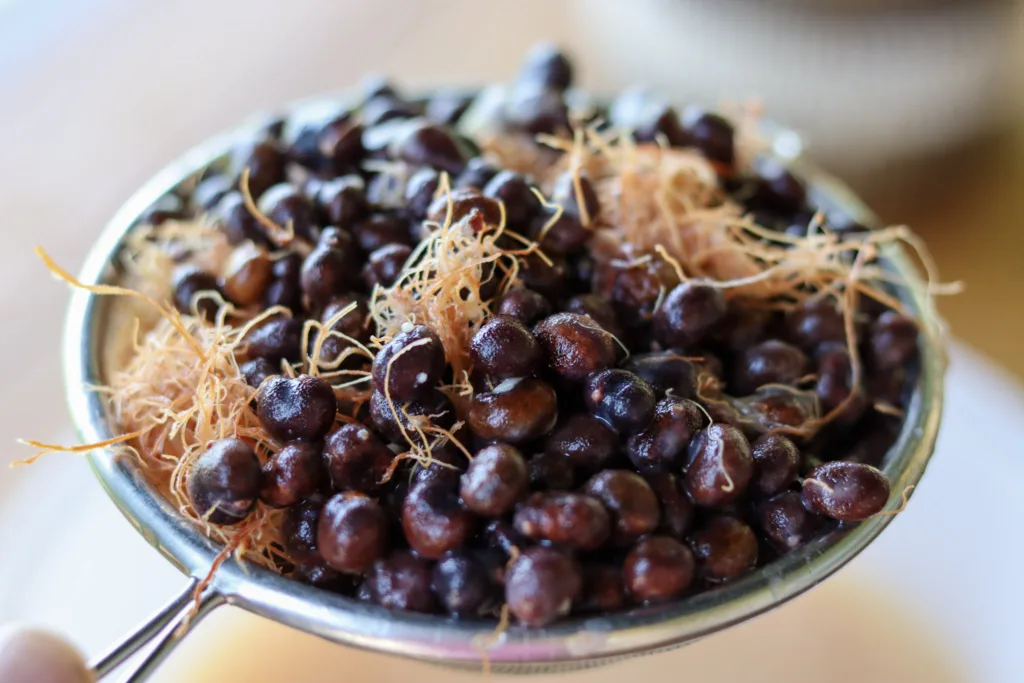
Usually, a lot of pulp will still be left in the strainer or kitchen cloth, so try not to waste it and push it through the strainer with a tablespoon.
Also, a lot of the remaining seeds and seed fibers may still be visible in the juice. Although these remains are not harmful, you might want to strain the juice again.
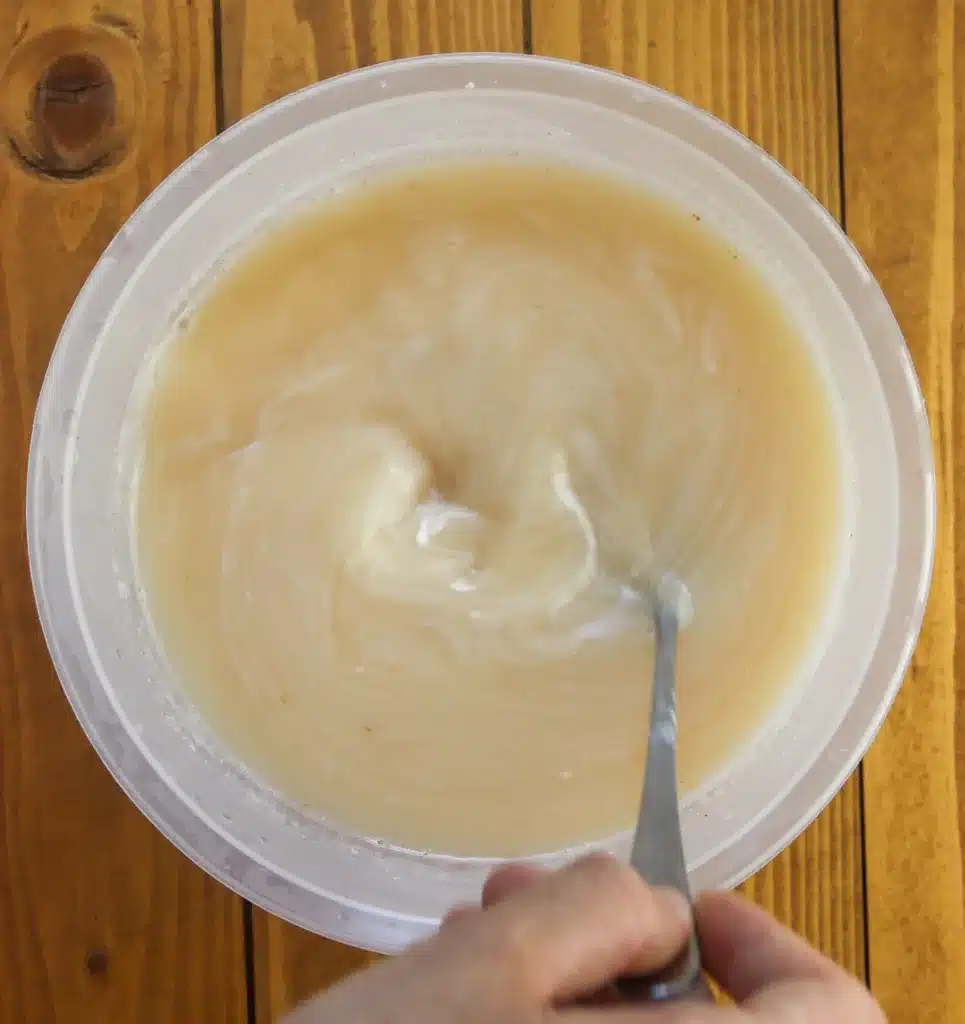
STEP 3: Adding sugar or other sweeteners is a matter of personal preference. If you want to sweeten your juice, add sugar or a sugar substitute and stir well until it dissolves completely.
STEP 4: At the same time, add coconut milk.
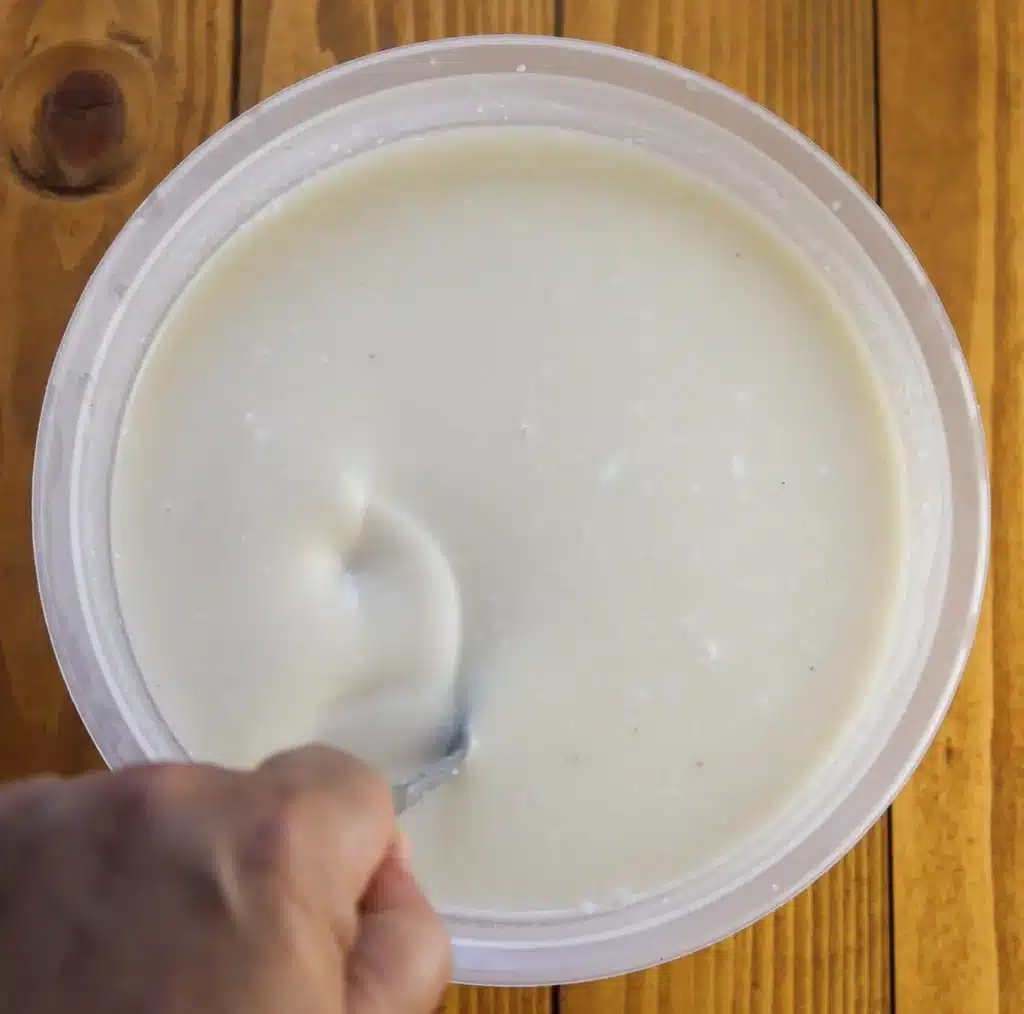
STEP 5: Once the juice is done, instead of adding an artificial flavor, which is often used in these recipes, you might want to add a more natural substitute – a small banana. It will blend perfectly with the baobab juice, adding a touch of creaminess.
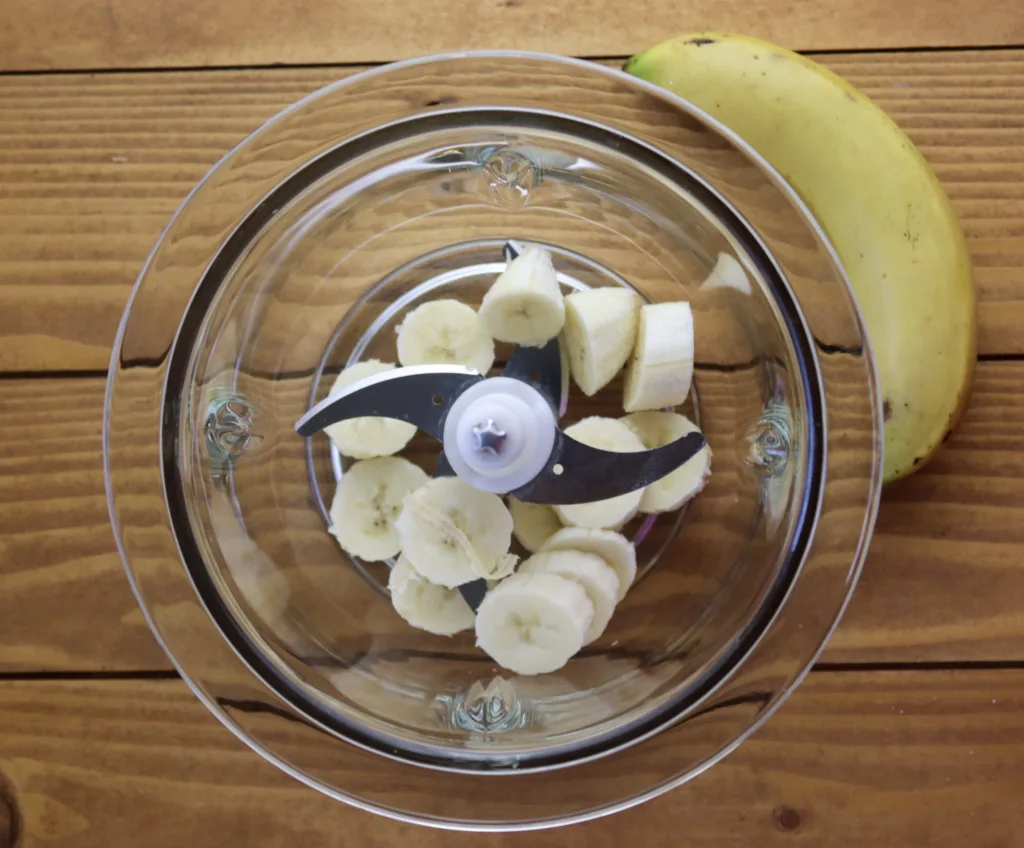
Street vendors who often sell baobab juice can’t afford to add bananas, as bananas will soon turn brown in hot weather. However, if you keep your juice in the refrigerator, your banana won’t change color anytime soon.
The trick is that the juice tastes so good it probably won’t last long. And just in case you want to keep it longer, adding a few teaspoons of lemon juice will easily solve the problem.
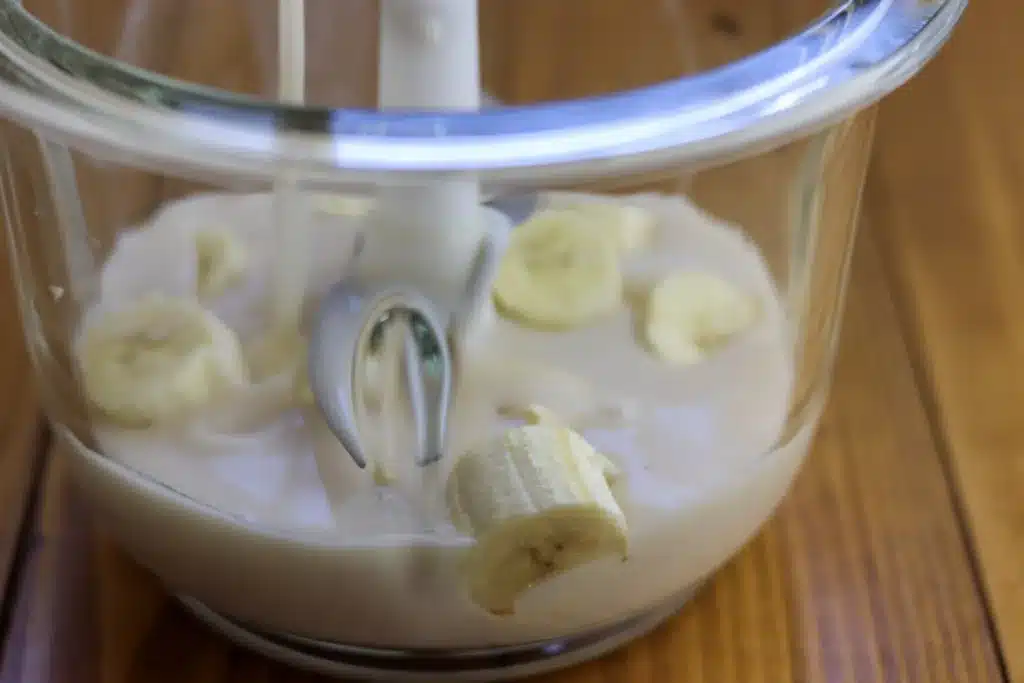
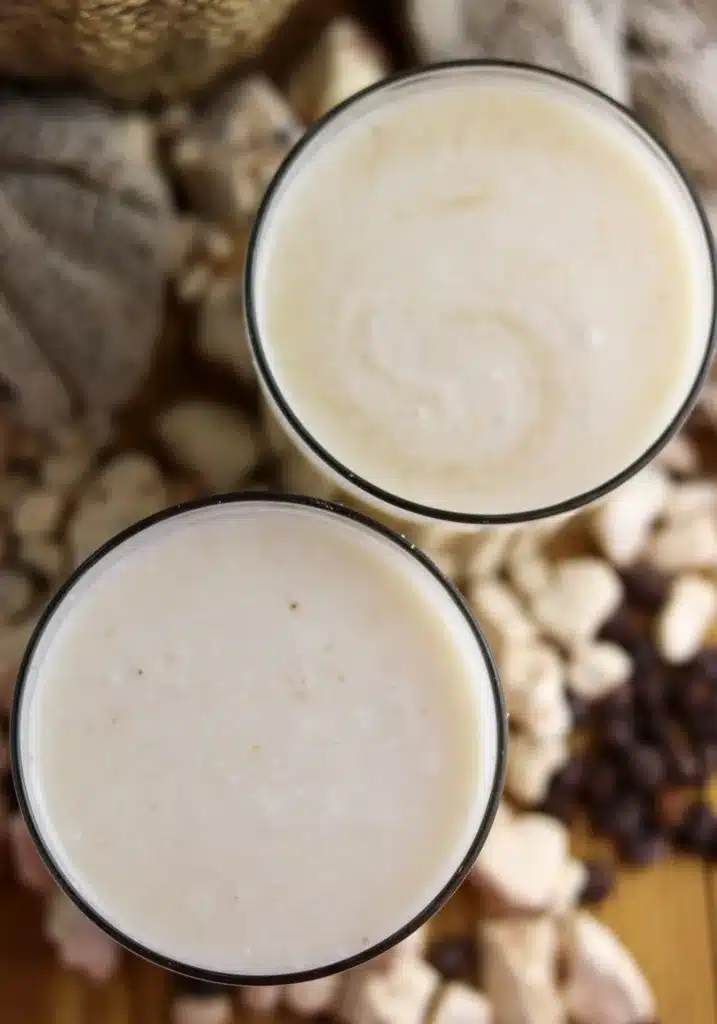
STEP 6: Lastly, store your juice in a bottle or in a mug and chill it in the refrigerator. Baobab juice definitely tastes best when served cold. Cheers!
Baobab juice variations & ideas
- Coconut milk can be replaced with condensed milk or powdered milk. Surprisingly, the citrusy flavor of added lemon juice won’t spoil condensed milk, but you need to be careful with powdered milk.
- Because of its tangy, citrusy flavor, baobab juice pairs well with other fruit juices. A few combinations that proved very tasty are pineapple, orange, mango, apple and ginger juice.
- It can be reshaped into a super healthy and tasty baobab smoothie by adding other fruits, like orange and mango, and some health-boosting spices, like ginger.
- Following a simple procedure, you can turn your baobab juice into a very delicious sorbet. Or make very special and genuine popsicles! By adding whipping cream or heavy cream, the juice from this recipe can be transformed into a delicious homemade baobab ice cream.
- Freezing baobab juice into ice cubes is another wonderful idea. Just add a few cubes to your cold drinks in the summer, and there you have it, a delicious ice-cold, super-nutritious drink right in your hands.
- And when you get lazy, simply stir a few tablespoons of powdered baobab pulp into almost anything you can think of. Mixing it into yogurt, oatmeal, pudding, coffee, tea, or fruit dressings, or simply adding it to a recipe when making healthy sweets like our gluten-free baobab bars, coconut baobab bites or delicious baobab cookies, will generously turn your favorite food into a refreshing vitamin bomb meal.
- The seeds can be roasted and turned into a nutty, chocolate-like cup of baobab coffee.
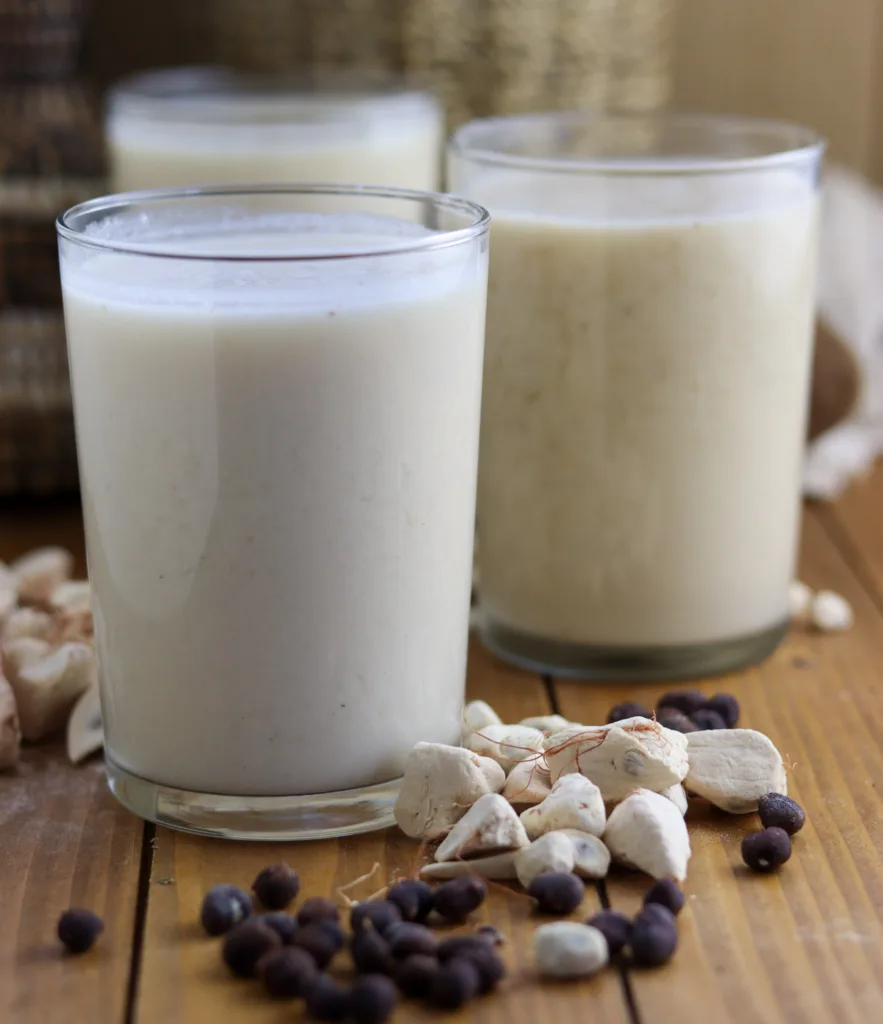
How to store baobab juice
Properly stored dry baobab pulp can be kept in a dry, cool place for up to 2-3 years, provided it’s packed in an airtight container or an appropriate storage bag.
You can keep it in a closed bottle, jar or mug in the refrigerator for up to five days. We recommend adding (chilled) bananas and other fruits right before serving.
You can freeze it and keep it for up to 8-12 months.
Also, baobab juice can be pasteurized at 80 °C, then sealed in sterilized bottles and stored safely for up to 1 year.
Where to find ingredients for baobab juice
Baobab fruit pulp is among the most common items sold by street vendors in countries where baobabs grow natively. I guess I don’t remember a time when flying back from Africa and not packing some dry baobab pulp in the suitcase. This became a mandatory ritual before leaving, and I believe I’m certainly not the only one doing it.
However, when living in the US, Europe or other countries, you can buy baobab pulp in specialized stores and from many online retailers. Buying it in bulk will, many times, significantly reduce the price.
Alternatively, you can find already cleaned and processed baobab powder in food or health stores around the world.
Because dried baobab pulp usually comes with seeds and string-like seed fibers, this adds significant weight to the package. It’s often cheaper to buy it in a pre-powdered form.
Just to remind you, baobab trees are very rarely cultivated; they are mostly grown in the wild and are usually owned by the local communities. What we recommend when buying baobab products online is to look for sustainable, responsible dealers who support local communities by donating a percentage of their revenue to them and investing in replanting baobab trees.
Baobabs seem to have pretty hard times because of climate change, and that, in fact, is your wonderful chance to return Africa’s amazing gift and become a guardian of these fascinating ancient giants.
Coconut milk is super easy to find and available in many places. Just head to your local grocery store, supermarket, or health food store, and you’ll likely spot it in no time.
Coconut milk comes in two forms: canned and carton. But keep this in mind – carton coconut milk tends to be thinner and less creamy compared to the canned version. Some folks find it less tasty, too.
By blending shredded coconut mixed with water, you can make your own coconut milk at home.
Baobab juice FAQs
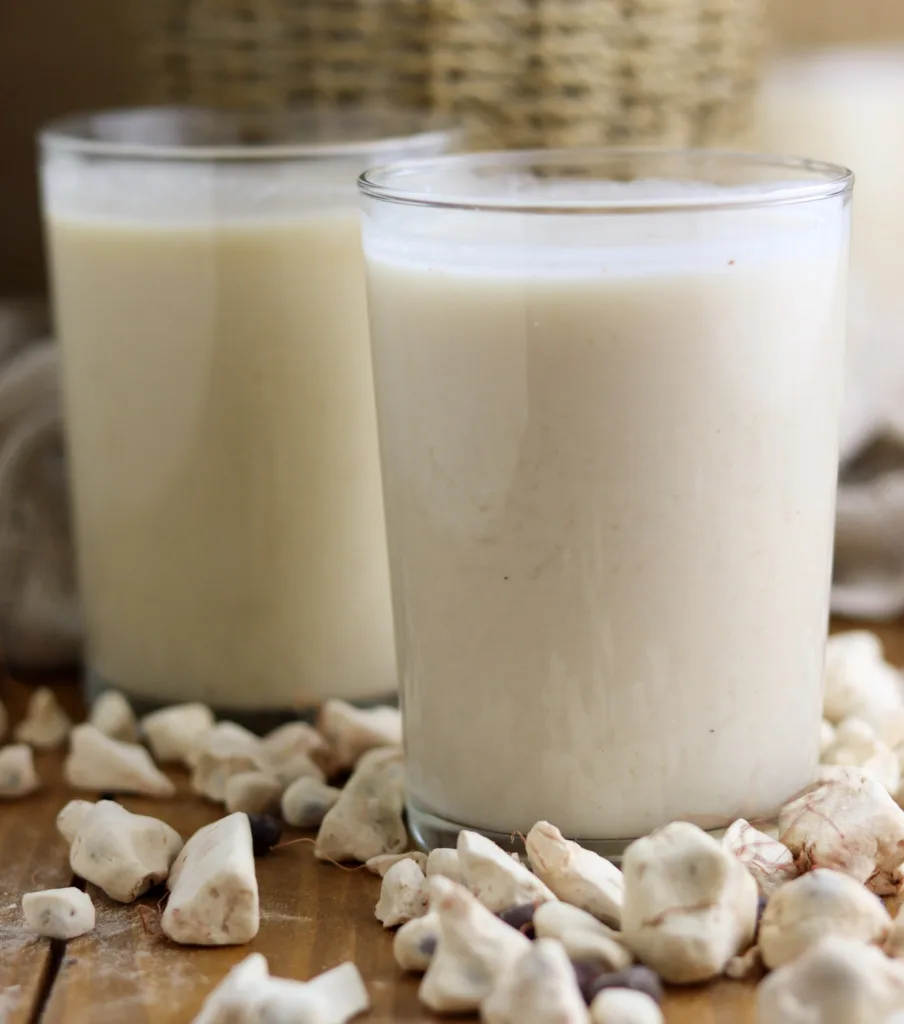
Baobab juice has a unique, refreshing taste. Lots of people describe it as tangy, citrusy, and slightly sweet. For some, it also reminds them of a tropical flavor, like a blend of pineapple, melon, and pear. The taste depends on the specific preparation and any additional ingredients added to the juice.
Baobab fruit from which baobab juice is made was recognized as safe by FDA in 2009. As long as you are drinking baobab juice in reasonable amounts, there is generally no specific time limit on how long you can drink it. Although baobab is still not well researched, in countries where it grows natively, baobab juice is often drunk daily for longer periods of time.
Yes, but of course, in moderation. In some African countries, baobab juice is used to improve iron levels in children with iron deficiency. However, keep in mind that baobab juice is not a replacement for a balanced diet. Also, it’s important to choose quality baobab fruit, dilute the juice with water for younger children, be careful not to add too much sugar and be mindful of allergies. Always consult a pediatrician if needed.
It is worth noting that the baobab tree is unique in that all of its parts are edible. The seeds, for instance, can be used to produce baobab seed oil, and sometimes they are used as a thickening agent in soups. The fermented seeds, on the other hand, are used for flavor enhancement, while the roasted seeds are used to make baobab coffee. In some regions, people also consume the seed pulp, which is sold under the name of “monkey bread.”
It is important, however, to be aware that baobab seed oil contains cyclopropeonid fatty acids (CPFA), which are known to be harmful and cancerogenic. Fortunately, these acids can be reduced and broken down at high temperatures between 200°C and 250°C.
Baobab juice can be preserved in sterilized bottles for up to 12 months when it’s previously pasteurized by heating to 80 C for 10 minutes.
Because the dry baobab pulp used to make the juice has a shelf life of up to 3 years, it’s recommended to store the pulp and use it to make fresh juice when needed.
Wild-grown baobab trees will start producing fruit when they reach maturity, depending on the area they grow and especially the amount of rainfall they receive. It can take anywhere from 18 to 200 years for baobabs to begin growing fruit.
More baobab recipes
- Baobab coffee
- Baobab smoothie with ginger
- Gluten-free coconut baobab bites
- Lemon baobab cookies
- Baobab ice cream
- Baobab energy bars
Herbs to explore
- How to make helichrysum oil at home
- How to make St. John’s Wort oil at home
- How to make elderflower tea
- How to make spruce tip syrup
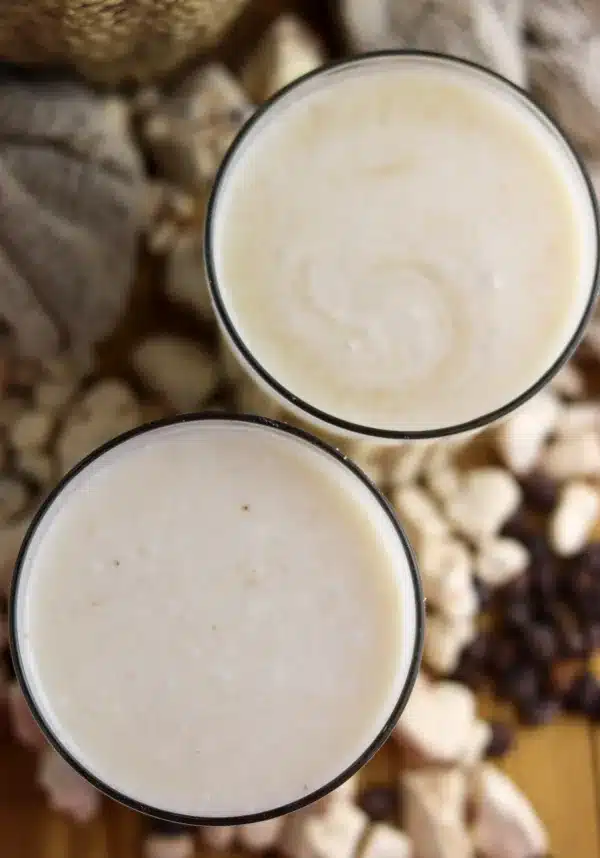
Baobab Juice With Coconut
EQUIPMENT
- 1 bowl
- 1 strainer
INGREDIENTS
- 300 g baobab pulp with seeds OR
- 150 g baobab powder without seeds
- 1 l water
- 2.5 dl coconut milk
- sugar or sweetener (optional)
- banana (optional)
INSTRUCTIONS
- Place the baobab pulp in a bowl and cover it with water. Stir a few times so all the pieces are submerged. Set aside and let it soak until the pulp softens and starts to break down, about 2 hours, depending on room temperature. Do the same if you're using already processed baobab fruit powder. The water may turn slightly orange or reddish – this is normal and comes from the seed fibers.
- Once softened, use clean hands to gently squeeze the pulp. This helps release the juice and separate it from the seeds and fibers.
- Strain the mixture through a fine strainer or clean kitchen towel, pressing firmly to extract as much liquid as possible. Don’t discard the solids too quickly; push any remaining pulp through the strainer with a spoon. If needed, strain the juice once more for a smoother result. Save the seeds for baobab coffee.
- Sweeten the juice to taste with sugar or a preferred sweetener, stirring until fully dissolved.
- Add the coconut milk and stir well. For a natural boost of flavor and creaminess, add a small banana and blend until smooth. If you plan to store the juice longer, a little lemon juice helps keep it fresh.
- Optionally, if you like it more creamy, blend in a banana using a blender or food processor.
- Transfer the juice to a bottle or glass and chill in the refrigerator. Serve cold. Enjoy!
Video
NOTES
- Buy baobab pulp from reliable sellers, and choose organic when possible.
- Coconut milk can be swapped for condensed milk or powdered milk. Lemon juice won’t affect condensed milk, but use powdered milk carefully, as it can react differently with acidic ingredients.
- Baobab juice has a naturally tangy flavor and blends well with other juices. Pineapple, orange, mango, apple, and ginger pair great with baobab.
- You can turn the juice into a smoothie by blending it with fruits like orange or mango and adding a bit of fresh ginger for extra warmth.
- The same base works well for frozen treats. It can be made into sorbet, popsicles, or even ice cream by adding whipping cream or heavy cream before freezing.
- Freezing the juice into ice cubes is always a good idea. Drop a few cubes into cold drinks for a refreshing boost.
- Baobab pulp is also easy to use without making juice. Stir a few spoonfuls into yogurt, oatmeal, pudding, tea, coffee, or fruit sauces, or use it in healthy desserts like baobab bars, bites, or cookies.
- Baobab seeds don’t need to go to waste. Once dried and roasted, they can be brewed into baobab coffee. The leftover seeds can even be burned as a natural mosquito repellent.
- Dry baobab pulp keeps very well when stored in an airtight container in a cool, dry place. Stored properly, it can last for 2–3 years.
- Prepared baobab juice can be kept in the refrigerator for up to 5 days. Store it in a closed bottle or jar, and add fresh fruit like bananas just before serving.
- Freezing is also an option. The juice can be frozen for 8–12 months, the easiest way to freeze it is using plastic bottles.
- For long-term storage, baobab juice can be gently heated to 80°C (176°F), poured into sterilized bottles, sealed, and stored safely for up to 1 year.
NUTRITION
Featured at
If you liked this baobab juice recipe, please rate it in the comments below.
Show your love by sharing ❤️
Baobab juice is an amazing drink, thank you for sharing the recipe!
Indeed, my pleasure!
Now I have learned something new, never too old to learn. Would love to try it but will have to try and find the ingredients, and not so sure that it will be available in any shape or form here in BC Canada
Thank you from your SSPS Team for sharing your links with us at #271 SSPS Linky.
No worries Esme, you have plenty of baobab powder these days practicaly everywhere. I don’t want to advertise the retailers, but I’m sure every health store has it, otherwise you can easily order it online. For baobab pulp check Etsy, plenty of sellers there. Cheers!
I don’t think I have ever heard of Baobab juice yet alone tried it but it sounds so good! How interesting to read all about it. x
Hi Kim, I strongly encourage you to try it, baobabs are indeed special and the juice is also as incredible as the tree itself.
This was a fascinating post to read and learn a lot; thank you for the background and information about baobabs and the recipe, cheers!
Thanks Irene, I hope you try it, you’ll be suprised, it’s trully an amazing drink.
Fascinating! I wondered what Baobab juice was! 🙂 Stopping by from #inspirememonday
Indeed, baobabs are some very special trees. Hope you’ll give it a try!
Oh my goodness this sounds fantastic! Wow thanks for giving this great history and information today.
Visiting today from PoCoLo #3
Thanks Paula 🙂
“And if the planet is too small and the baobabs become large, they will make it shatter.” I guess Antoine de Saint-Exupéry never tried baobab juice! Thanks Anne 🙂
I didn’t realise there were so may uses from the Baobabs trees. I’ve since a few from my time living in South Africa and travelling to the north. Thanks for linking with #pocolo
Very true, baobabs have so many uses that it’s a real shame that they are dying. You might want to follow us for the next adventure – baobab ice cream 🙂
I have never heard of baobab juice before so I learned something new today. I will have to check this out. Thank you for sharing with Whimsy Home Wednesday.
I’m very happy that you did and hope you’ll try it 🙂
I don’t think I have heard of Baobab juice before, but I’d love to try it someday. Thanks a bunch for sharing this informational post and for joining Fiesta Friday party!
With pleasure, I definitely want to encourage you to try it.
Fascinating to find out more about baobab trees but how awful that they are dying off due to climate change. I’ve never tried baobab juice – it sounds like it has some amazing nutritional properties. #WotW
Hi Angie, I strongly encourage you to try it, baobabs are truly amazing plants and the fruits have so many benefits. I guess more people know about baobabs, more effort will be put in preserving them.
Wow, there are so many great benefits to Baobab. I learned a lot today. That is amazing that the tree can live up to 3000 years. No wonder they are called the Tree of Life. Simply amazing. The recipe sounds wonderful. Can it be done with almond milk as well? Thank you for sharing the recipe, and great detail on Baobab.
Hi Stephanie, yes you can use almond milk instead of coconut milk, the juice won’t be as creamy as made with coconut milk, but it does have a nice taste. Btw, I agree, these awesome giants definetly deserve more attention.
I have never tried baobab juice but after reading your article, I need to head out and get one right away! I just thought it was a novelty drink, I wasn’t aware of the history behind baobab and the added health benefits! A seriously great post! Sim x Hopping over from #MMBC
Indeed, we mostly hear about baobab powder when health stores bombard you with ads and usualy we don’t even know what that is. If I wouldn’t see these beautiful trees myself I would never buy that powder. But, baobabs are really amazing and magical ancient trees which truly deserve so much more attention than they get right now. Thanks!